
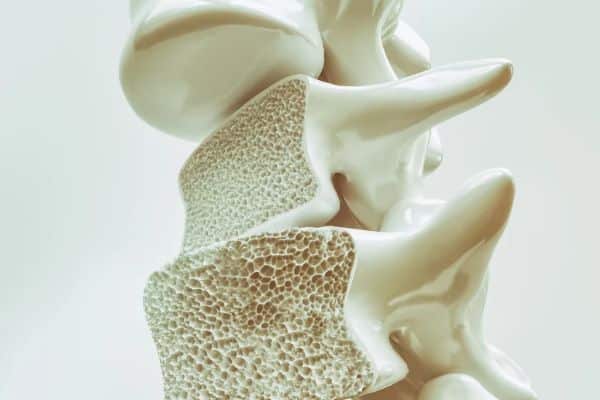
Keeping your bones strong is an important part of staying active and independent as you get older. While changes in bone density are a natural part of aging, significant bone loss can increase your risk of fractures and other complications.
Osteoporosis is a condition that causes bones to become weak and more likely to break. Because it often develops without noticeable symptoms, many people don’t realize they have it until they experience a fracture.
Knowing when to get evaluated for osteoporosis can help you identify potential problems early and take steps to protect your long-term bone health.
OSMC treats patients in Indiana at our Bone Health Clinic.
How Does Aging Affect Bone Health?
Bones are living tissue that continuously breaks down and rebuilds. As you age, your body may begin losing bone faster than it can replace it.
Over time, this can lead to decreased bone density and an increased risk of fractures, particularly in the hips, wrists, and spine.
Although osteoporosis is more common in older adults, certain medical conditions, medications, and lifestyle factors can increase your risk at a younger age.
When Should You Be Screened for Osteoporosis?
Osteoporosis screening recommendations depend on your age, medical history, and individual risk factors.
According to the U.S. Preventive Services Task Force:
- Women age 65 and older: Routine osteoporosis screening is recommended.
- Postmenopausal women younger than 65: Screening is recommended when a clinical risk assessment indicates increased fracture risk.
- Men: Screening decisions should be individualized because evidence is currently insufficient to recommend routine screening for all men.
Your healthcare provider may also recommend a bone health evaluation based on previous fractures, medications, or underlying medical conditions.
What Are the Risk Factors for Osteoporosis?
Several factors can increase your likelihood of developing osteoporosis, including:
- Advanced age
- Menopause-related hormonal changes
- Family history of osteoporosis or hip fractures
- Low body weight
- Smoking or excessive alcohol consumption
- Long-term use of certain medications, including corticosteroids
- Inadequate calcium or vitamin D intake
- Limited weight-bearing physical activity
Having one or more risk factors doesn’t necessarily mean you have osteoporosis, but it may be a reason to discuss screening with your healthcare provider.
What Happens During an Osteoporosis Evaluation?
A common method of evaluating bone strength is a DEXA scan, also called a bone density test.
This noninvasive imaging test uses low-dose X-rays to measure bone mineral density, typically in the hips and spine.
Your healthcare provider may also review your medical history, previous fractures, medications, and other factors that influence bone health.
The results help determine whether you have normal bone density, low bone mass, or osteoporosis.
How Can You Protect Your Bones as You Age?
Maintaining healthy bones involves more than routine screening. Everyday habits can also help support bone strength and reduce fracture risk.
Consider these bone health strategies:
- Get adequate calcium and vitamin D.
- Participate in regular weight-bearing and muscle-strengthening exercises.
- Avoid smoking and limit alcohol consumption.
- Take steps to prevent falls at home.
- Discuss your medications and bone health risks with your healthcare provider.
If osteoporosis is diagnosed, treatment may include lifestyle changes, nutritional recommendations, and medications to help reduce fracture risk.
Read more on How Do I Prevent Osteoporosis?
Schedule a Bone Health Evaluation at OSMC
At Orthopedic & Sports Medicine Center (OSMC), our team helps patients understand and manage conditions affecting their bones and joints.
Through our Bone Health Clinic, patients can receive guidance on osteoporosis, bone density concerns, and strategies to reduce their risk of fractures.
Taking care of your bones today can help protect your mobility tomorrow. Contact OSMC to learn more about bone health evaluations and osteoporosis care.
