
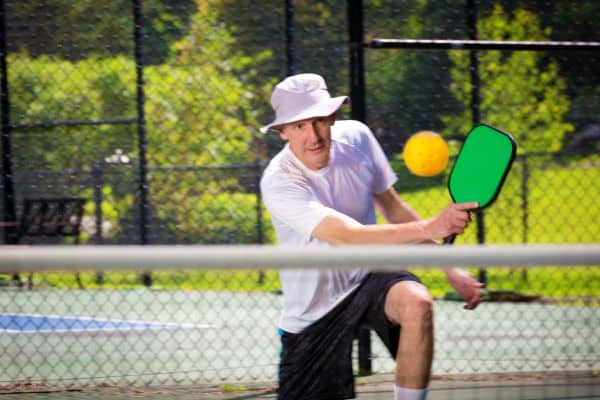
Pickleball has quickly become a favorite activity for people looking for a fun, social way to stay active. While the sport may be played on a smaller court than tennis, it still requires quick changes in direction, repetitive swinging, reaching, and sudden stops. These movements can place considerable stress on the joints and lead to pickleball injuries.
Whether you play occasionally or several times a week, understanding how pickleball affects your knees, shoulders, and wrists can help you reduce your risk of injury and spend more time on the court.
Common Knee Injuries From Pickleball
Your knees work hard during a pickleball match. Moving laterally, quickly changing direction, and stopping suddenly can put added stress on the muscles and structures surrounding the knee.
Common pickleball-related knee problems can include sprains, strains, overuse injuries, and irritation of an existing knee condition. A sudden twist or awkward step can also result in a more significant injury.
Help protect your knees by wearing supportive court shoes, gradually increasing how often and intensely you play, and strengthening the muscles that support your knees and hips. Avoid playing through persistent knee pain, swelling, or instability.
Protecting Your Shoulders From Overuse
Serving, volleying, and reaching for the ball require repetitive shoulder movement. Over time, these motions may irritate the muscles and tendons responsible for stabilizing and moving the shoulder and cause shoulder injuries.
Proper technique is important. Players should also warm up before matches and incorporate exercises that strengthen the shoulder and upper back. If shoulder pain begins affecting your swing or continues after you leave the court, it may be time to have the problem evaluated.
Wrist and Hand Injuries on the Pickleball Court
Your wrist helps control the paddle through repeated swings and quick reactions. Gripping the paddle too tightly, using poor technique, or playing for long periods without adequate recovery can contribute to wrist and hand pain.
Falls are another concern. Instinctively reaching out with your hand to catch yourself can lead to wrist sprains or fractures.
Using the appropriate paddle and grip size, improving technique, and taking breaks when discomfort develops can help reduce unnecessary strain.
Don’t Ignore Persistent Pickleball Pain
Some soreness after activity can occur, particularly if you’re new to pickleball. Pain that persists, worsens, causes significant swelling, or limits your ability to use a joint normally deserves more attention.
Trying to continue playing through an orthopedic injury can potentially make returning to your favorite activities more difficult. OSMC offers orthopedic and sports medicine care for conditions affecting the knee, shoulder, hand, wrist, and other areas of the musculoskeletal system.
OSMC also offers orthopedic walk-in clinics in Elkhart, Goshen, and the Granger/Mishawaka area for patients who need more immediate evaluation of an orthopedic injury.
Pickleball injury? Don’t get stuck on the sidelines.
From a rolled ankle to a sore shoulder or sudden knee pain, injuries can happen fast on the pickleball court. With OSMC’s FREE HURT! App, you can connect with an orthopedic specialist 24/7 for guidance on your injury and what to do next.
Get hurt? Get answers. Get back in the game.
Connect with OSMC through the HURT! App today.
If pickleball pain is keeping you on the sidelines, the orthopedic specialists at OSMC can help evaluate your injury and determine the appropriate next steps to help you safely return to the activities you enjoy. Reach out for more information on becoming an OSMC patient.