
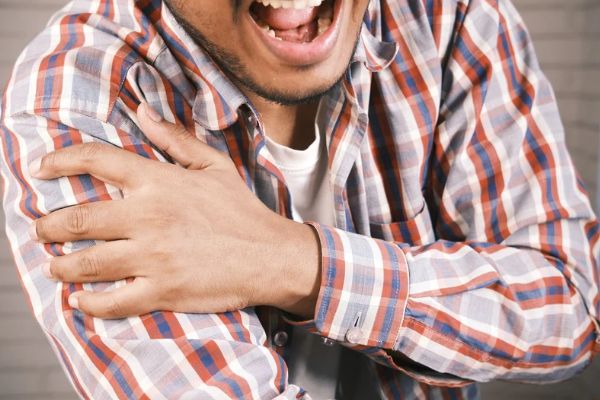
A slip on the stairs, a fall during sports, or an unexpected trip can leave you with more than a few bruises. Landing directly on your shoulder or reaching out to break a fall can place significant force on the shoulder joint, potentially causing an injury.
While mild soreness may improve with rest, shoulder pain after a fall can sometimes indicate a more serious problem, such as a fracture, dislocation, or rotator cuff tear.
Recognizing the warning signs can help you determine when to seek medical orthopedic attention.
What Are the Signs of a Serious Shoulder Injury After a Fall?
Not every shoulder injury requires emergency treatment, but certain symptoms should not be ignored.
1. Severe or Worsening Shoulder Pain
Some discomfort is expected after a fall. However, sharp, intense pain or pain that continues to worsen may indicate an injury involving the bones, tendons, or ligaments.
Pain that prevents you from comfortably moving your arm should be evaluated promptly.
2. Difficulty Lifting or Moving Your Arm
If you suddenly cannot raise your arm or move your shoulder normally, the injury may involve the rotator cuff, shoulder joint, or surrounding bones.
A sudden loss of strength or mobility after a fall is a reason to seek medical evaluation.
3. Swelling, Bruising, or Visible Deformity
Swelling and bruising may develop after an impact, but significant swelling, a noticeable bump, or an unusual shoulder shape can indicate a fracture or dislocation.
Do not attempt to reposition a shoulder that appears dislocated. Seek immediate medical care.
4. Numbness, Tingling, or Weakness
Numbness or tingling extending into the arm or hand may indicate nerve irritation or injury.
Sudden weakness, loss of sensation, or changes in hand color or temperature require urgent medical attention.
5. Shoulder Pain That Doesn’t Improve
Persistent shoulder pain following a fall should not be dismissed, even if you can still move your arm.
Some injuries, including certain fractures and rotator cuff tears, may allow limited movement despite underlying damage.
What Shoulder Injuries Can Happen After a Fall?
Falls can cause several types of orthopedic shoulder injuries, including:
- Rotator cuff tears: Damage to the tendons that stabilize and move the shoulder.
- Shoulder fractures: Breaks involving the upper arm bone, collarbone, or shoulder blade.
- Shoulder dislocations: When the upper arm bone moves out of its normal position in the shoulder socket.
- AC joint injuries: Damage to the ligaments connecting the collarbone and shoulder blade.
- Shoulder sprains and strains: Injuries affecting surrounding ligaments, muscles, or tendons.
An orthopedic evaluation and appropriate imaging can help determine the cause of your symptoms.
What Should You Do for Shoulder Pain After a Fall?
If your injury appears mild and you have no concerning symptoms, initial care may include resting the shoulder, applying ice for short periods, and avoiding movements that increase pain.
However, persistent pain, swelling, weakness, or limited mobility should be evaluated by an orthopedic professional.
Treatment depends on the type and severity of the injury and may include immobilization, physical therapy, medication, or surgery when necessary.
When Should You See an Orthopedic Shoulder Specialist?
Consider scheduling an appointment if your shoulder pain continues, interferes with daily activities, or limits your ability to lift and move your arm.
An orthopedic specialist can assess your symptoms, determine whether imaging is needed, and recommend appropriate treatment.
Seek emergency care for visible deformity, suspected dislocation, severe injury, or signs of impaired circulation or nerve function.
Get Shoulder Injury Treatment at OSMC
At Orthopedic & Sports Medicine Center (OSMC), our orthopedic specialists provide care for shoulder injuries, including fractures, dislocations, and rotator cuff conditions.
Whether your shoulder pain developed after a sports injury or an everyday fall, our team can help identify the problem and discuss treatment options.
Don’t ignore persistent shoulder pain after a fall. Contact OSMC to schedule an orthopedic evaluation and take the next step toward recovery.
