
Staying active as an adult comes with incredible benefits—but it also places ongoing stress on muscles, joints, and connective tissue. Whether you’re a weekend warrior, recreational athlete, or competitive adult athlete, recovery plays a critical role in performance, sports injury prevention, and long-term joint health. At OSMC, we emphasize structured recovery as a core component
Read MoreSports Medicine
Recovery for Youth Athletes: Supporting Safe, Strong Comebacks
Youth athletes put tremendous demands on their growing bodies. From practices and games to tournaments and off-season training, young athletes are constantly pushing to improve. When an injury occurs, proper recovery is just as important as the initial treatment. At OSMC, we focus on youth sports injury recovery to help young athletes heal safely, regain
Read MorePrevent Youth Sports Injury With OSMC – Stay in the Game
Youth sports play a powerful role in helping children build confidence, strength, coordination, and a lifelong love of staying active. But as participation grows, so does the number of injuries among young athletes. Sports-related injuries are one of the leading reasons children and teens visit orthopedic specialists, underscoring the importance of prevention, early evaluation, and
Read MorePreventing ACL Injuries in Youth Football
Understanding the Rise in Lower Extremity Injuries in Football Lower extremity injuries, including ACL tears, ankle sprains, and knee ligament injuries, have become increasingly common among youth and high school football players. Rapid changes in direction, contact on the field, quick accelerations, and unstable playing surfaces place high stress on the hips, knees, ankles, and
Read MoreSafe Return to Play After Youth Injuries
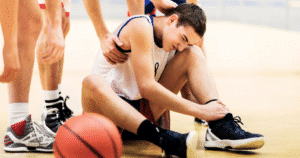
Youth sports provide countless benefits, from teamwork and discipline to physical fitness and confidence. But with the intensity of practices and games, sports injuries are a common part of the experience. For young athletes, the desire to return to the field or court as quickly as possible can sometimes outweigh the need for proper healing. Following established
Read MoreIs It Nerve Compression or Something Else? Common Signs
When pain, tingling, or numbness appear, many people assume it is simply a result of muscle strain or fatigue. However, these issues are often linked to nerve problems that require a closer look. Nerve irritation symptoms can develop when nerves are compressed, pinched, or inflamed, and identifying the root cause is key to preventing long-term
Read MorePickleball Injuries: How to Prevent Heel & Foot Pain

Pickleball continues to grow in popularity across the country, drawing players of all ages to the courts. While it is a fun and social sport, it also comes with a risk of injury particularly in the feet and heels. At Orthopedic & Sports Medicine Center we see many patients struggling with pickleball heel pain caused by overuse, poor footwear,
Read MoreSkip the ER: Why Orthopedic Walk-In Clinic Saves Time and Money

When an unexpected injury strikes, such as a twisted ankle, sudden shoulder pain, or a painful sprain, the emergency room often feels like the only option. However, the truth is that many orthopedic injuries don’t require a costly, time-consuming ER visit. Orthopedic walk-in care offers faster, more affordable treatment from specialists who focus exclusively on
Read MoreOveruse Injuries in Young Athletes: A Parent’s Guide

Protect Your Young Athlete’s Joint Health Sports are an excellent way for children to stay active, build confidence, and develop teamwork skills. Still, with the growing competitiveness of youth athletics, the number of overuse injuries in children has increased. An overuse injury in children develops gradually over time from repeated stress on muscles, joints, or
Read MoreSudden Joint Pain But No Injury? Here’s What It Might Be
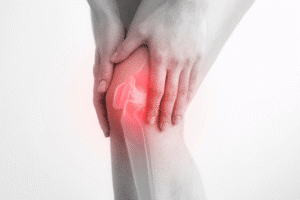
Understanding Sudden Joint Pain You wake up one morning with sudden knee, shoulder, or hip discomfort, but you don’t remember twisting, falling, or doing anything that might have caused it. Sudden joint pain with no injury can be confusing and concerning, especially when it interferes with daily life. At OSMC, our orthopedic specialists see this scenario often,
Read More