
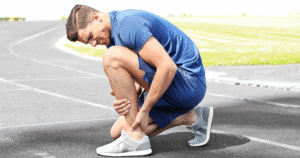
Why Running Matters Running is one of the most popular physical activities worldwide, with millions participating in annual marathons and ultramarathons. While it offers numerous health benefits—including a lower risk of cardiovascular disease and improved mental well-being—running also comes with a high risk of injuries, particularly in the foot and ankle. Standard Foot and Ankle
Read MoreGeneral
Understanding Hammertoes: Causes, Symptoms, and Treatment Options
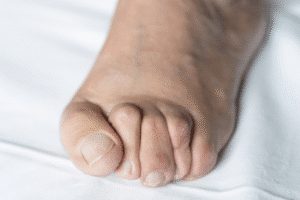
What Are Hammertoes? Hammertoe is a common foot deformity where the toe bends abnormally at the middle joint, making it look like a hammer. This condition usually affects the second, third, or fourth toe and can cause discomfort, pain, and difficulty walking. Hammertoes often result from muscle imbalances that put too much pressure on the
Read MoreCommon Signs You Need to See a Foot and Ankle Doctor

Top Symptoms That Signal It’s Time to See a Foot and Ankle Doctor Your feet and ankles support your body weight, making them some of your musculoskeletal system’s most essential and often overlooked areas. When pain, discomfort, or functional limitations begin to affect your daily life, it’s a sign that you may need to see a foot
Read MoreThe Role of Proprioception in Ankle Stability: Why It Matters and How to Improve It

by Dr. James Jastifer What Is Proprioception? Have you ever walked on an uneven surface and adjusted your footing without even thinking about it? That’s proprioception at work. Proprioception is your body’s ability to sense where it is in space and make small adjustments to maintain balance and stability. It plays a crucial role in
Read MoreCommon Orthopedic Problems Women Experience
Unsurprisingly, males and females differ biologically, meaning that orthopedic care for men and women varies due to the differences in hormones, connective tissues, and skeletal structure. Let’s take a look at the most common orthopedic problems women experience. The main orthopedic problems women experience are given below. OSTEOPOROSIS Osteoporosis is a progressive disease associated with
Read MoreWhat Is the Difference Between a Pain Management Doctor and a Pain Medicine Doctor?

When you’re living with chronic pain or recovering from an injury, understanding the different types of specialists available to help you is essential. You may hear terms like pain management doctor and pain medicine doctor and wonder—what’s the difference? At Orthopedic Sports & Medicine Center (OSMC), we know that navigating your options can feel overwhelming, so
Read MoreWhat is the Difference Between a Physical Therapist vs. Physiotherapist?
If you’re recovering from an injury or managing chronic pain, you may have heard the terms physical therapist and physiotherapist used interchangeably. This can create some confusion as you search for the proper care. At Orthopedic Sports & Medicine Center (OSMC), understanding your options is the first step toward a successful recovery. Is there a difference between
Read MoreDo I Need a Referral to See an Orthopedic Surgeon?

Orthopedic Evaluation Without a Referral In Northern Indiana It is common for some insurance companies and specialty practices to require a referral before scheduling an appointment. A referral is a recommendation from a healthcare provider, usually a primary care physician (PCP), directing a patient to see a specialist or receive specific services. Health Maintenance Organizations
Read MoreYour First Visit to a South Bend Orthopedic Surgeon: What to Expect
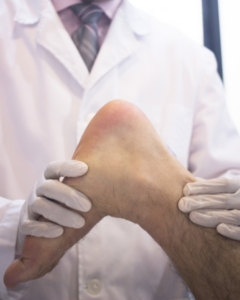
Taking the step to see an orthopedic surgeon can feel overwhelming, especially if you don’t know what to expect. If you’re preparing for your first visit to an orthopedic surgeon in South Bend, understanding the process can help ease your concerns and ensure you get the most out of your appointment. At Orthopedic & Sports Medicine
Read MoreSigns You Should See an Orthopedic Surgeon in Mishawaka
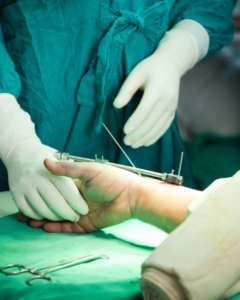
Orthopedic issues can significantly impact your quality of life, from limiting mobility to causing persistent pain. Many people wait too long before seeking professional help, thinking their symptoms will resolve independently. If you’re in Mishawaka and experiencing discomfort or injury that affects your ability to move freely or enjoy daily activities, it might be time
Read More